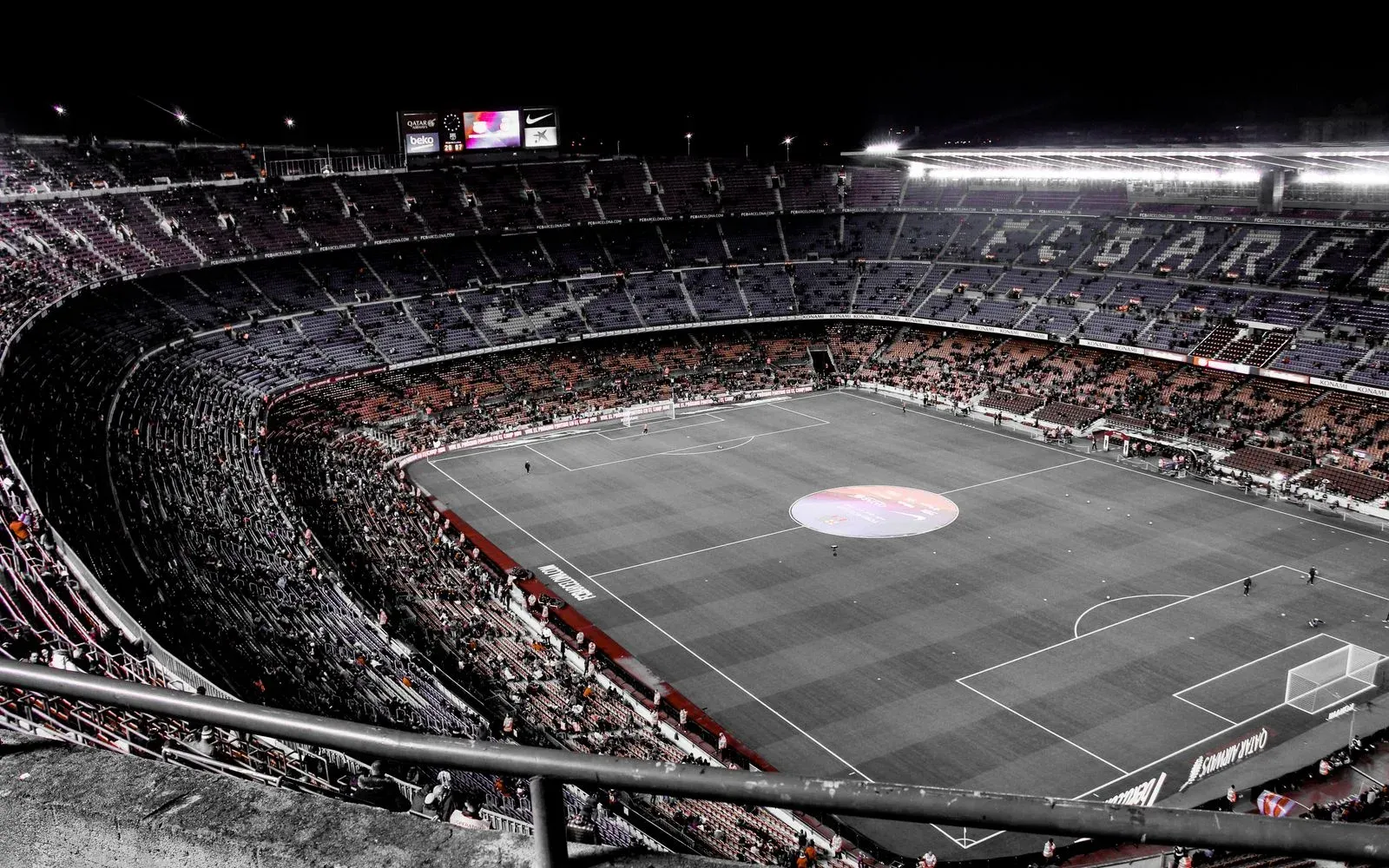
World Cup 2026: what fans search for before France–Spain
Before a high-stakes match, fans do not declare their intentions: they search for them. Where to watch, with whom, in which venue: all signals sponsors and broadcasters can act on.
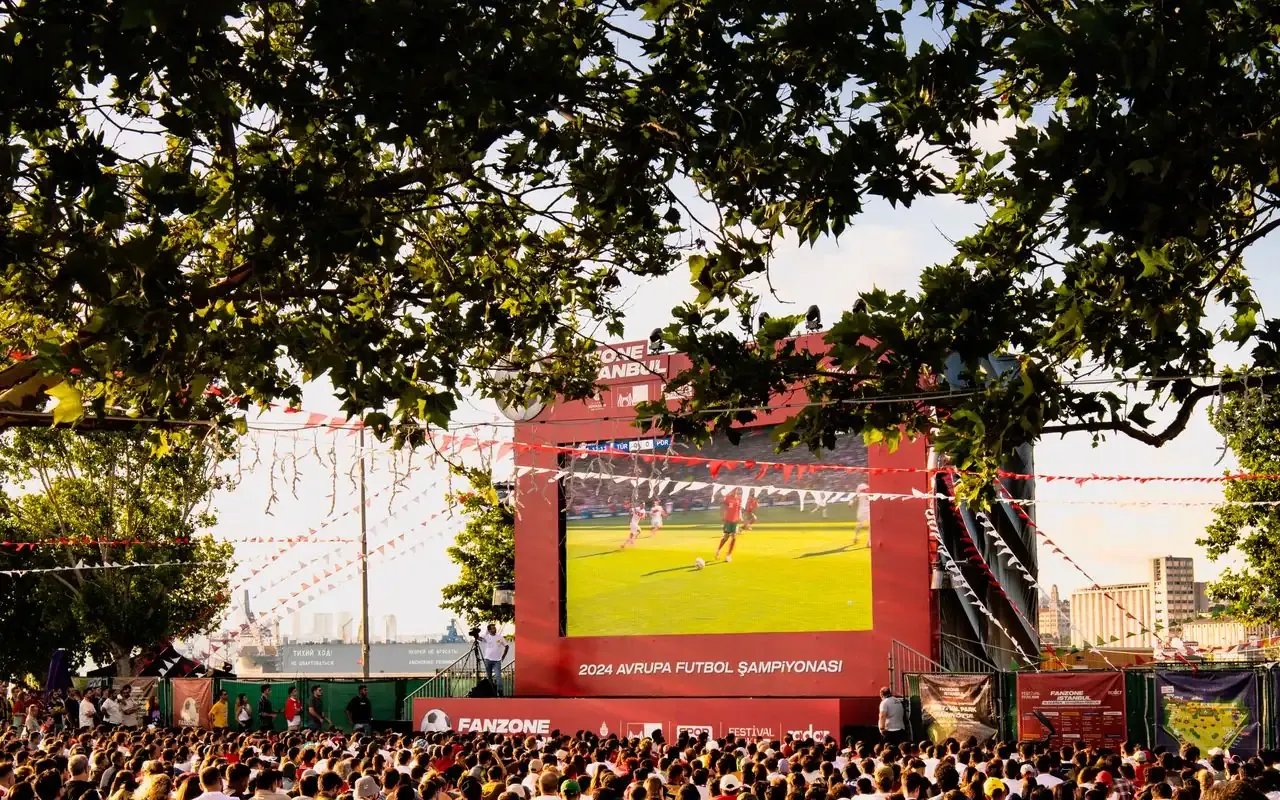
On the eve of a France–Spain World Cup fixture, hundreds of thousands of people ask the same questions: where to watch the match, which channel is showing it, which bar has a big screen, what time to arrive. Each of these queries is an intent that is timestamped, located and immediately actionable.
×6: the volume of broadcast-related searches in the 48 hours before a high-stakes kick-off.
That temporal concentration is what makes the signal valuable, and what makes it perishable: information that arrives too late has no operational value.
Four families of queries, four distinct uses
- “Which channel”, “where to watch”. A broadcast signal. It measures public uncertainty about the channel: a direct concern for the broadcaster, whose audience depends on clearing it.
- “Bar with big screen”, “fan zone”, “public screening”. A collective-viewing signal, strongly localised. This is the most actionable signal for a physical activation.
- “Match time”, “probable line-up”. An engagement signal: these queries come from an audience already committed to watching.
- “Free stream”. A friction signal: it indicates real demand poorly served by the legal offer, often a matter of price or accessibility.
What each stakeholder can do with it
The same data serves different decisions depending on your position in the value chain.
- A broadcaster concentrates promotion where channel uncertainty is highest, and aligns its pre-match output with the hours people actually search.
- A sponsor identifies the cities and venues where a physical activation will meet a real audience, rather than defaulting to the largest metropolitan areas.
- An organiser or a local authority sizes public screening, security and transport against measured demand rather than an estimate.
A short window, a repeating cycle
Most of this demand forms in the forty-eight hours before kick-off and disappears within the hour after the final whistle. Exploiting the signal therefore requires continuous reading, not retrospective analysis.
The pattern does repeat at every high-stakes fixture, which makes it predictable. Volumes observed on previous matches allow you to anticipate the scale and distribution of demand on the next, and so to prepare rather than react.
The underlying principle
Before an event, the public does not declare its intentions: it searches for them. Reading those searches as they happen provides information that neither ticketing, nor CRM, nor past audiences can supply: because all of them arrive after the decision.