60 million people reached: what reach does not measure
M6 reached 93% of the French population during the 2026 World Cup. Reach counts the people who came across the event, not the ones who were in a position to act.
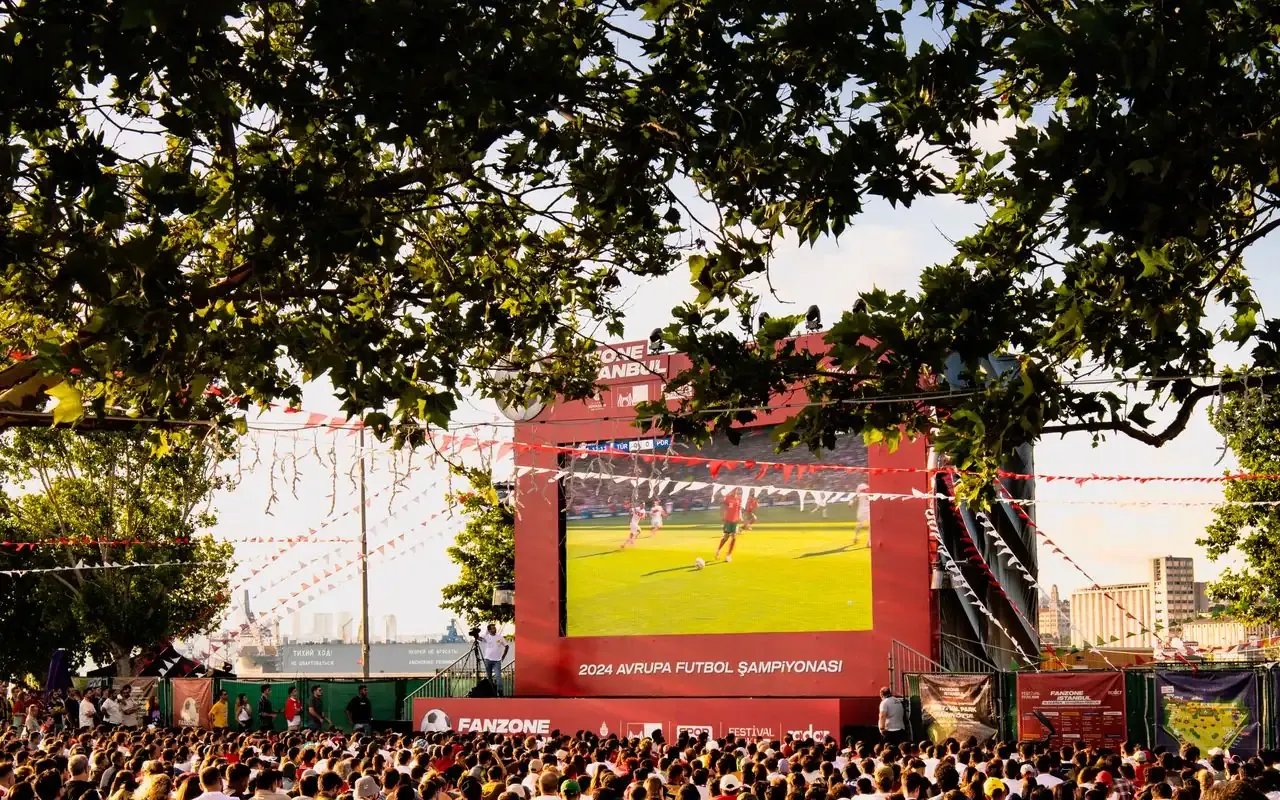
M6's report on the 2026 World Cup is unambiguous on one point: 60 million French people reached, or 93% of the national population, with coverage close to 100% among 25-49s and 15-34s. No bought media campaign produces a figure of that kind.
What remains open is what that figure entitles anyone to decide. Reach counts the people who came across the event at least once. It says nothing about those who were in a position to do something: subscribe, look up where to watch a match, travel, buy.
Near-total reach no longer separates anything
Once an indicator hits 93%, it stops discriminating. Two regions, two age brackets, two supporter profiles show the same value while their behaviour differs. A figure that no longer separates anything can no longer be used to allocate a budget.
This is the mechanical limit of any successful coverage metric: it becomes an observation, not an arbitration tool. An allocation decision needs variables that actually vary.
60 million French people reached, 93% of the population, and a single piece of information: the competition was watched.
Access, meanwhile, stayed fragmented
While reach saturated, the broadcast structure remained split in two: 54 matches free-to-air on M6, 104 on beIN Sports and therefore behind a subscription. A viewer reached by the competition was not thereby able to follow the team or the fixture they cared about.
That gap between exposure and access is exactly where searches form: which channel, which subscription, at what price, until when. Those searches, not reach, separate people blocked by an access problem from people who had no intention at all.
What reach cannot be used for
- Sizing a paid offer: it adds up contacts, not purchase intentions.
- Choosing a territory: uniform coverage ranks no area above another.
- Choosing a moment: it is established across the whole competition and flattens the peaks.
The right use for the figure
Reach on that scale remains valuable, but as a denominator rather than a target. It sets the ceiling of what an event can reach in France, which makes it possible to measure how far the genuinely active populations sit from it.
The gap between the two is the useful information. It reads in the behaviour observed during the competition, not in the audience report that closes it.
Sources
- Bilan d'audience M6 sur la Coupe du monde 2026 : 20,2 millions de téléspectateurs sur France-Espagne, 12,2 millions sur la finale (59,2 % de part d'audience), 60 millions de Français touchés soit 93 % de la population, The Media Leader, 2026
- Répartition des droits de diffusion de la Coupe du monde 2026 en France : 54 matchs en clair sur M6, 104 matchs sur beIN Sports, Soccerway, 2026
Frequently asked questions
- How many French people did M6 reach during the 2026 World Cup?
- 60 million, or 93% of the national population, across linear broadcast and the M6+ platform combined, with coverage close to 100% among 25-49s and 15-34s.
- Why is 93% reach hard to act on?
- Because at that level the indicator no longer discriminates. Two regions or two profiles show the same value while their behaviour differs. A figure that separates nothing cannot be used to allocate a budget.
- Was the 2026 World Cup entirely free to watch in France?
- No. 54 matches were broadcast free-to-air on M6 and 104 on beIN Sports, behind a subscription. Exposure to the competition therefore did not guarantee access to the fixture being sought.
- What should be looked at instead of reach?
- The behaviour that separates: access searches, questions about the broadcaster and the price, concentrated in time and localised. They distinguish a blocked intention from an absent one.