World Cup 2026 broadcaster: M6 has it, 36% don't know
The 2026 World Cup broadcaster in France is M6, which paid €120M for the rights. More than one French viewer in three still thinks TF1 has it.

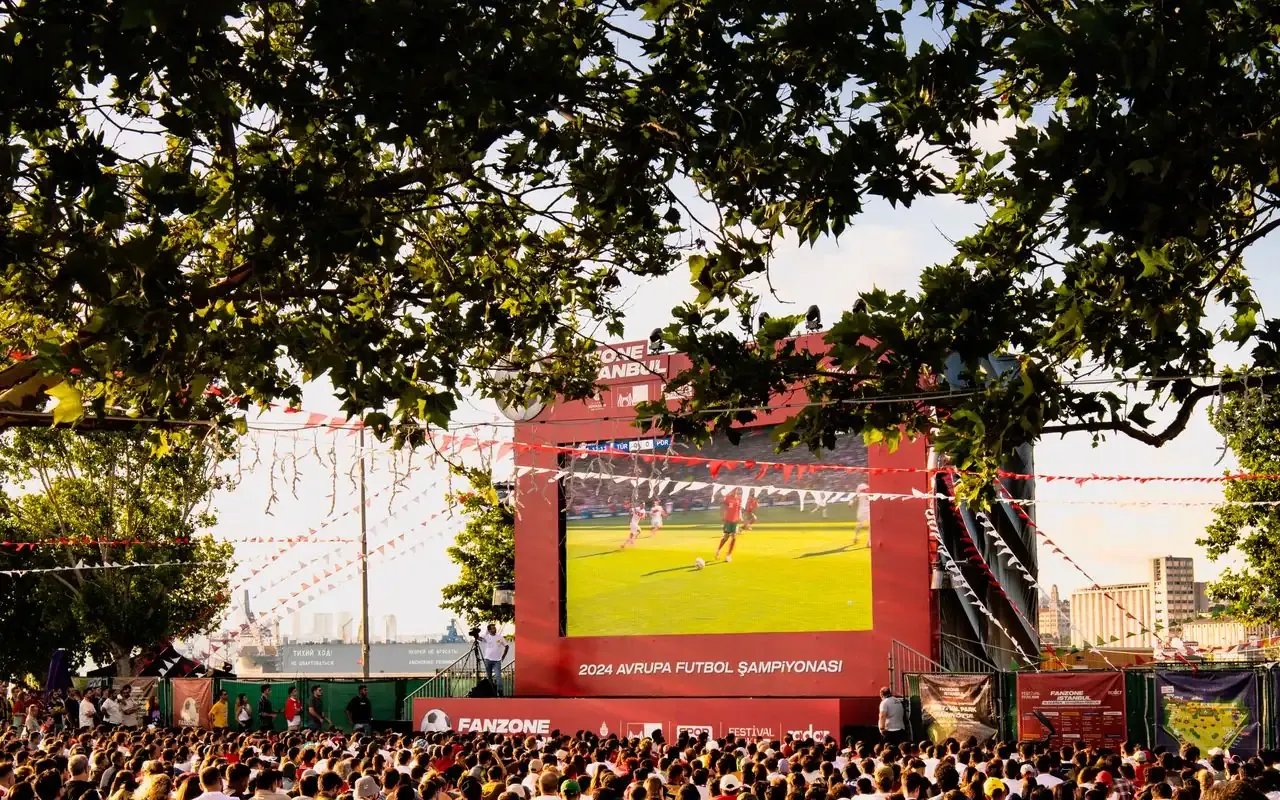
Acquiring sports rights means buying a future audience. That audience still has to know where to watch. M6 invested around €120 million for the World Cup; a substantial share of the public nonetheless continues to associate the event with TF1, the historic broadcaster of football’s biggest fixtures.
36%: the share of French viewers who believe TF1 broadcasts the World Cup, whose rights M6 acquired for €120M.
This gap is not anecdotal. It is the principal risk of an investment of that size: an audience that cannot find the right channel is a lost audience, and most of the value of a sports right concentrates into a handful of evenings.
Habit is an asset of the outgoing broadcaster
Decades of major competitions on the same channel install a reflex that no announcement can displace. Viewers do not look for a broadcaster: they look for a match. Absent clear information, they go where they have always found it.
That reflex is directly observable in searches. “World Cup which channel”, “France match tonight channel”, “where to watch the game”: these queries come from people ready to watch, hours before kick-off. Their volume measures the extent of the uncertainty; their trend measures how effective the new broadcaster’s communication is.
Tracking the shift, week by week and territory by territory
The value of this signal lies in its granularity. It does not merely say “there is confusion”: a one-off study can do that too. It shows where the confusion is concentrated and how quickly it clears.
- By territory: some regions shift faster, depending on channel penetration and local habits.
- By age bracket, indirectly, through the phrasing used and the devices involved.
- Over time: every announcement campaign produces a visible effect within days, or produces none.
This changes the nature of the steering. Without it, the broadcaster discovers the problem in the first match’s ratings: when nothing can be done but absorb it. With it, several weeks remain to concentrate resources where the message has not landed.
A stake that goes beyond a single competition
Acquiring premium rights rarely serves an isolated objective. It aims to install a channel or a platform as a lasting sports destination. That objective assumes the public durably associates the broadcaster with the competition: not merely that they found the right channel on the night of the final.
The persistence of that association after the event is therefore the decisive indicator, and it is measured the same way: searches linking the channel to other competitions, in the following months, show whether the habit transferred or whether the public reverted.
What this implies for the next rights tenders
A rights holder presenting an asset to competing broadcasters has every interest in documenting this dimension: existing demand, its distribution, and the cost of transferring habit. A bidding broadcaster has every interest in assessing it before setting a price. In both cases, measuring intent turns a negotiation of estimates into a documented one.