European Swimming Championships in Paris: the unsold legacy
The European swimming championships in Paris filled the stands, not the marketing plan. Interest in Léon Marchand is real: it now has to be quantified to sell.
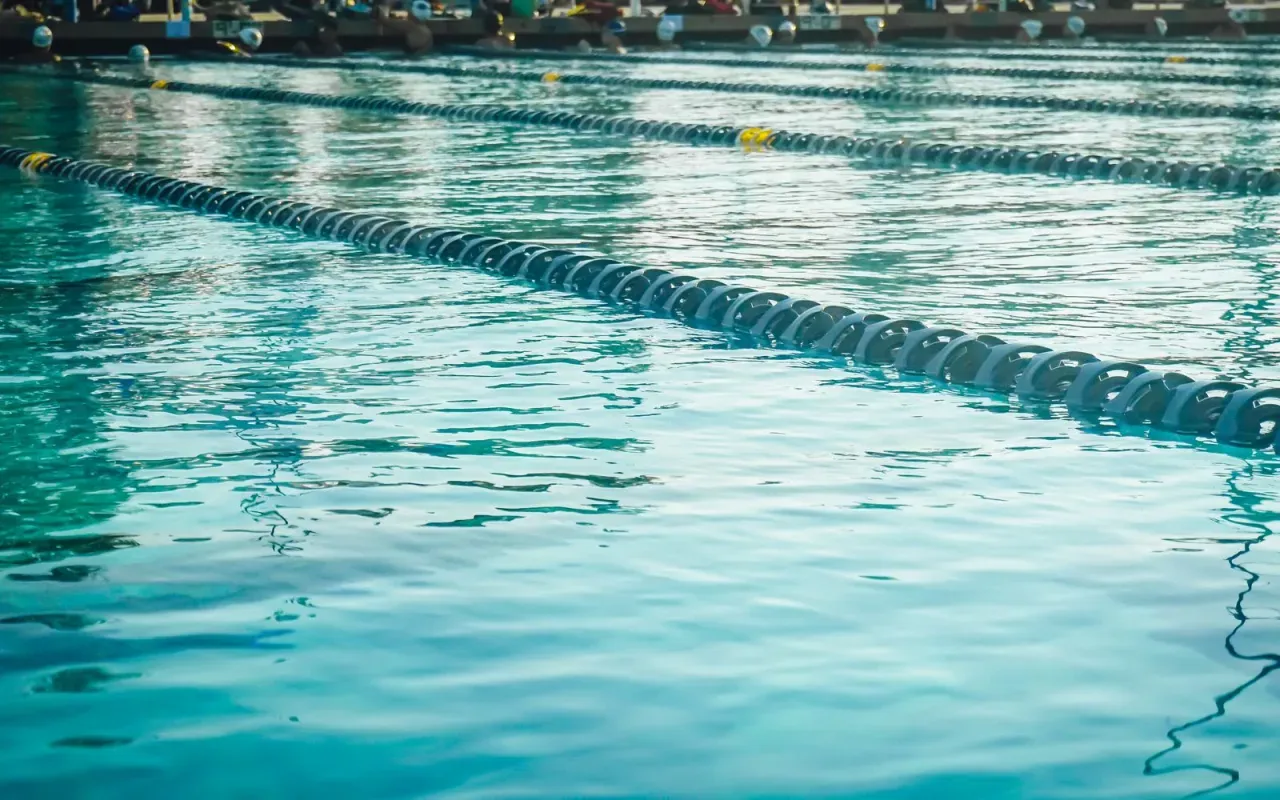
The European Aquatics Championships ran from 31 July to 16 August 2026 in Paris and Saint-Denis, at the Olympic Aquatics Centre and in the Seine. France had not hosted them since 1987. Two weeks before the opening, the French Swimming Federation (FFN) reported 51,000 tickets sold out of 60,000 planned, and a total budget of 17.1 million euros almost on target.
On one point its director general, Laurent Ciubini, was less pleased. On the marketing side, he told Sport Business Club, the federation “was counting on a certain legacy from the Paris Games, but it was a bit disappointing.” The commercial plan was also cut back by the categories reserved by European Aquatics, to which the FFN pays 3.5 million euros in rights.
Tickets that sell, rights that do not
The two results do not contradict each other. A ticket is sold to someone who has already decided, for one evening. A marketing right is sold to a partner who has to justify, to its own board, what a relationship with that audience will return over several years.
The attention created by Paris 2024 is real. Léon Marchand, four-time Olympic champion in Paris, has become one of the faces of French sport. But a partner does not buy fame: it buys an audience that can be described, located and followed over time. Without that description, the federation is selling a memory, and memories get negotiated down.
Léon Marchand: demand that changed shape
The usual gauge of legacy, the licence, does not tell the whole story. According to Clément Anne, a statistician at INJEP quoted by RCF, swimming licences have risen by around 1 to 2% since the Games. The federation still sits at about 400,000 members, against more than 13 million occasional swimmers.
That figure does not measure appetite. What gets counted, Clément Anne points out, is “licences issued, not licences refused.” Pool lanes and qualified instructors are in short supply: the licence hits a supply ceiling, not a demand one.
The people who searched for Léon Marchand during Paris 2024 have not gone anywhere. They search differently now: race times, tickets, replays, and for some of them a club or lessons near home. Those searches can be read along three lines.
- The curve: how demand moves before, during and after the event, and whether it tips into participation queries.
- The content: what people actually look for, results, tickets, replays or registration. Each intent points to a different partner.
- The geography: where these new audiences are, and whether they reach beyond the Paris region.
It is the same gap already described between visibility that is bought and demand that is measured: an audience figure does not say what people want to do next, as the record reach of the World Cup on M6 showed.
Selling rights on quantified demand
The FFN is already looking past the Europeans: the Olympic Aquatics Centre is due to host a World Cup leg in autumn 2027, then the French Championships in 2028. Each of those events raises the same commercial question.
For a federation, the concrete decision is to build its partnership offer on observed demand rather than on the fame of its champions: a search volume tracked over time, a share of participation intent, the areas where these audiences concentrate. An equipment brand, an energy company or a local authority can then buy a right on an audience it can see, and the federation can defend the price. The underlying logic is set out on the Participation page.
Sources
- 2026 European Aquatics Championships (31 July - 16 August): 51,000 of 60,000 tickets sold, €17.1M budget, marketing “a little disappointing” per Laurent Ciubini (FFN), €3.5M rights paid to European Aquatics, Sport Business Club, 2026
- Swimming: licences up 1 to 2% since the Games, around 400,000 members, “licences issued, not refusals” (Clément Anne, INJEP), RCF, 2026
Frequently asked questions
- When were the European swimming championships in Paris?
- From 31 July to 16 August 2026, mainly at the Olympic Aquatics Centre in Saint-Denis, with open water and high diving in the Seine. France had not hosted the event since 1987, in Strasbourg.
- How many tickets were sold for the 2026 European Aquatics Championships?
- Two weeks before the opening, the French Swimming Federation reported 51,000 tickets sold out of 60,000 planned, according to its director general Laurent Ciubini. The total budget of 17.1 million euros was then described as almost on target.
- Why was the French Swimming Federation disappointed with its marketing rights?
- Its director general Laurent Ciubini said the federation had counted on a legacy from the Paris Games on the marketing side, and that it was “a bit disappointing.” The commercial plan was also reduced by categories reserved by European Aquatics, to which the federation pays 3.5 million euros in rights.
- Did the Léon Marchand effect increase swimming club membership in France?
- Only slightly, going by licences: they have risen by around 1 to 2% since the Paris Games according to INJEP, for about 400,000 members. But licences do not count refusals, and clubs are short of pool lanes and instructors. Demand to swim is therefore stronger than the figure suggests.