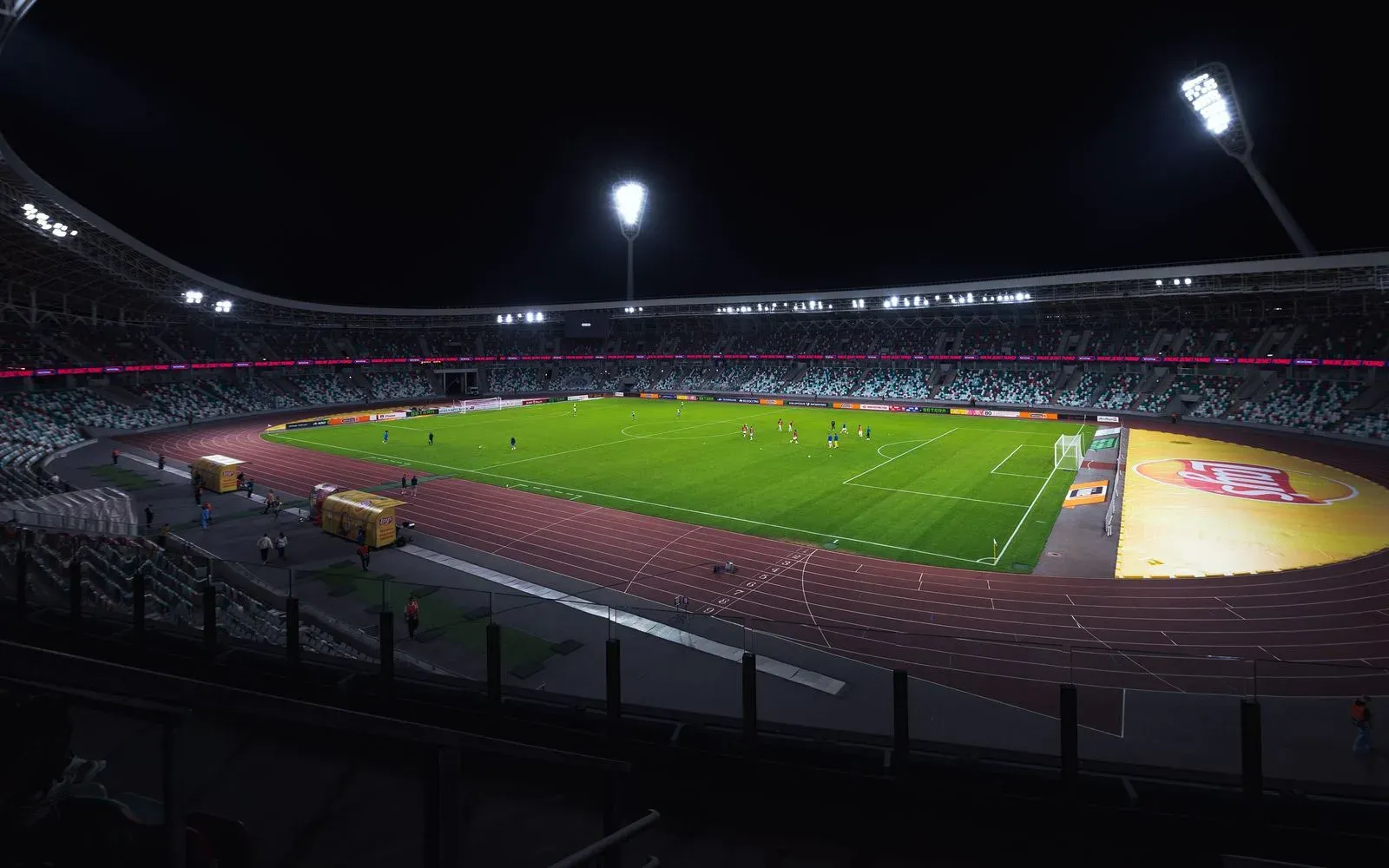
F1: from 554,000 to 1.3 million viewers, and then what?
Average US F1 viewership rose from 554,000 to 1.3 million per race between 2018 and 2025. The question is where that new audience can become ticketing and subscriptions.
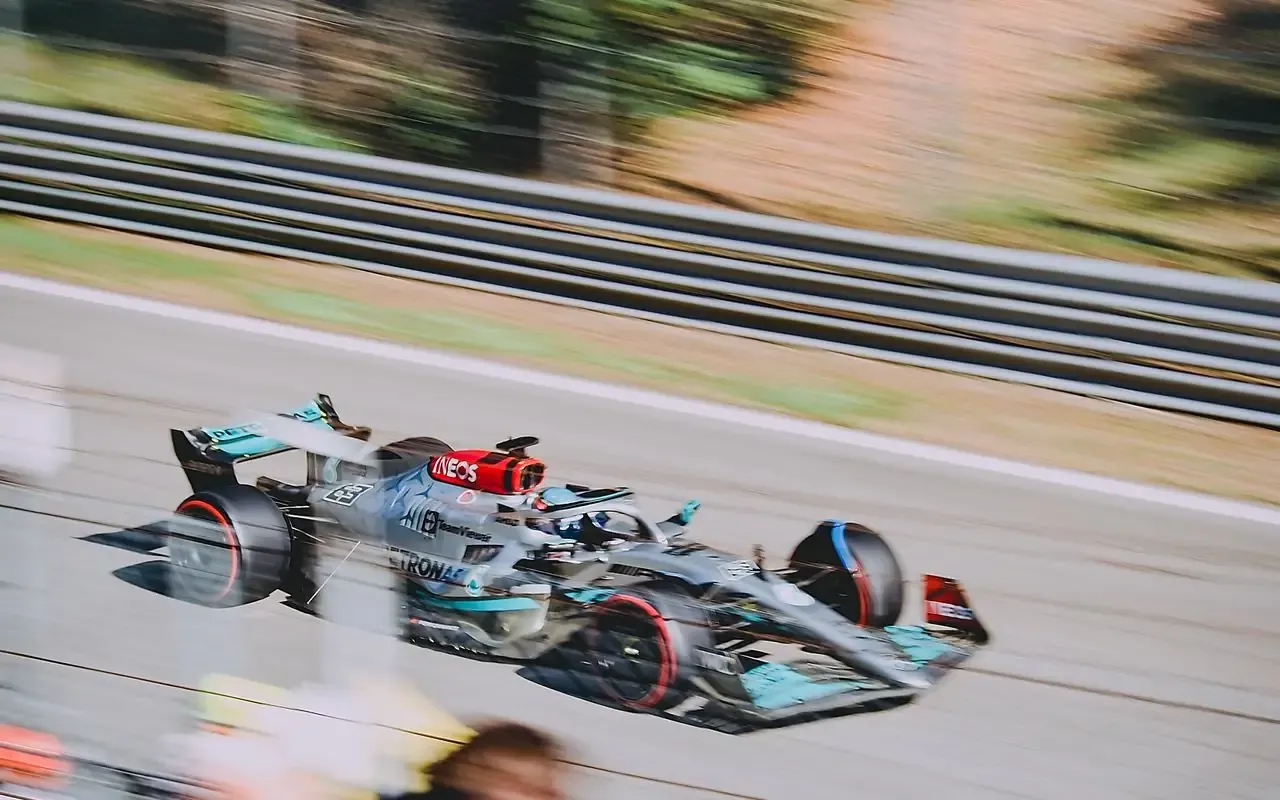
Drive to Survive achieved what decades of broadcasting had not: it widened Formula 1’s audience far beyond motorsport enthusiasts, particularly in North America. But that audience watches a series, not a championship. It knows characters, rivalries and behind-the-scenes drama; it does not necessarily know the calendar, the start times, or where to watch.
For promoters, rights holders and sponsors, this population is the main growth pool, and the main source of misjudgement, because it is counted as “fans” without behaving like them.
From narrative to purchase: a journey with observable stages
Between the viewer of a series and the buyer of a ticket lies a progression that searches make legible.
- Narrative curiosity. Searches about drivers, teams, episodes. The interest is in people, not in the competition.
- Adoption of the sport. Searches about standings, regulations, schedules. The interest shifts to the sporting object itself.
- Consumption intent. Searches about broadcasting, subscriptions, then tickets and circuits. This is where conversion becomes possible.
A market where most volume remains at the first stage is not ready: investing in ticketing there would be premature. A market where the third stage is climbing fast is ready, and the distance between the two is measured in quarters.
Three decisions this reading informs
- Where to place or strengthen a Grand Prix. A market’s potential is not read in its overall television audience, but in the density of intent at the consumption stage.
- Which races to promote to which audiences. Not every event draws the same interest across territories: some concentrate the attention of new audiences, others that of long-standing followers.
- How to target a sponsorship activation. Addressing a narrative audience with technical performance messaging, or the reverse, produces waste that intent-based segmentation avoids.
A lesson that travels beyond Formula 1
The mechanism is not specific to motorsport. Whenever a mainstream piece of content (a documentary, a series, a film) exposes a discipline to a new audience, it creates a population of unconverted interested parties. Padel, cycling and rugby have all seen comparable effects at different scales.
In every case the same error repeats: treating the new audience as a homogeneous block, and measuring its potential with tools designed for already-converted publics, ticketing, subscriptions, CRM. Those tools only see people who have already taken the step.
Measuring intent instead locates each market along the journey, and allows investment at the right moment rather than at the moment the media effect is most visible: which is, generally, too late.