Champions League rights: what €480M actually buys
Canal+ holds every Champions League match, split across two subscription tiers. Owning the rights does not guarantee the fan finds the game.
Canal+ holds the full rights to the Champions League, the Europa League and the Conference League through 2026-27, for a reported €480M. Holding every match does not mean every subscriber reaches it: the fixtures are split across two tiers, one carrying the Wednesday game, the other carrying all of them. Only the final stays free-to-air, co-broadcast by M6.
A rights holder buying 100% of a competition buys exclusivity. It does not buy an audience: between the right acquired and the fan who finds the match, there is a journey, and that journey is often lost.
Fragmentation leaves no trace at the broadcaster
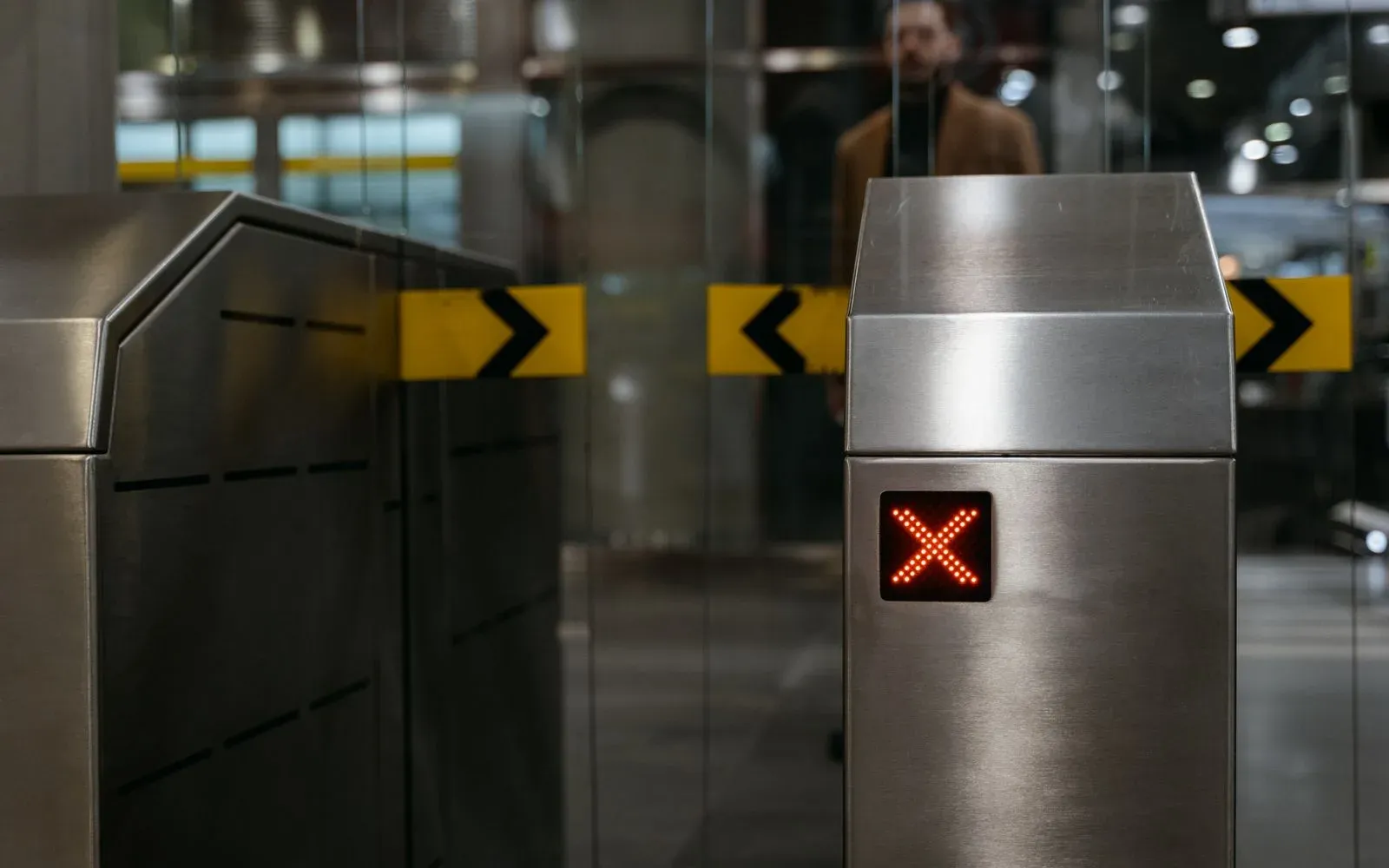
When one competition is split across two tiers of the same operator, the viewer does not think in packages. They want a specific match, on a specific evening. Discovering their subscription does not include it, the response is rarely to buy up: it is usually to give up, or go elsewhere.
That giving-up produces no data. No click, no abandoned cart, no churn: the person was never a customer. They searched, did not find what they expected, and stopped there. The broadcaster will never see that loss in its own numbers.
What search does show
It does leave a trace elsewhere. “Champions League broadcaster”, “where to watch the Champions League”, “what channel tonight”: the volume of those queries, their shape across the week and their peak as a fixture approaches, measure the gap between interest and access.
The same mechanism was visible at the World Cup, where more than one French viewer in three looked at the wrong channel: the subject of our piece on World Cup broadcast rights. The difference here is that the confusion is not between two competing broadcasters, but between two offers from the same one.
Whose decision this is
For a rights holder, that gap is close to the only part of the contract still actionable after signature. The price is paid, the perimeter is fixed; what remains in play is the share of existing interest that actually reaches a screen.
Measuring that share before the season, territory by territory and fixture by fixture, is not retrospective analysis. It is what tells you where to push awareness of the offer, and which of the two tiers to lead with.
Sources
Frequently asked questions
- Who broadcasts the Champions League in France, and at what price?
- Canal+ holds all the rights to the Champions League, the Europa League and the Conference League until 2026-2027, for an announced €480 million. Only the final is still simulcast free-to-air, by M6.
- Does owning every match guarantee that subscribers can access them?
- No. The fixtures are split between two subscription tiers, one giving the Wednesday match, the other everything. Between the acquired right and the fan who finds the match there is still a path, and that path is often lost.
- Why does this loss not show up at the broadcaster?
- Because it produces no data: no click, no abandoned basket, no cancellation, since the person is not a customer. They searched, did not find what they expected, and stopped there.
- How can the gap between interest and access be measured?
- Through the volume of queries such as “Champions League broadcaster” or “where to watch the Champions League”, its shape across the week and its peak ahead of the big fixtures. It is the part of the contract that remains actionable once the price has been paid.