45% notice the sponsor, 34% think better of it
A YouGov study measures the gap between being seen and being associated during the 2026 World Cup. That gap, not exposure, is what activation can actually close.
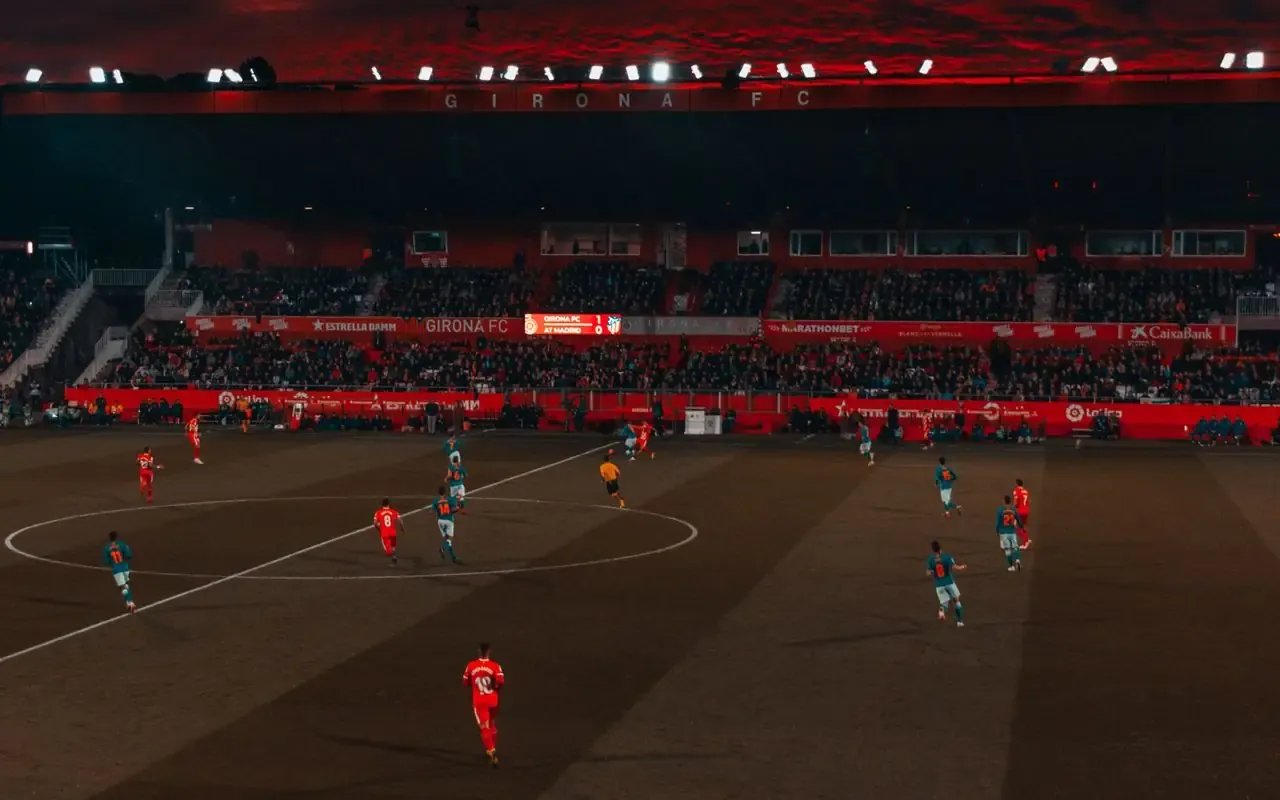
A YouGov study run in March and April 2026 among people likely to follow the World Cup gives two figures that have to be read together: 45% of French people interested in the competition say they notice partner brands, and 34% consider that the sponsorship improves their perception of the brand.
Eleven points separate being seen from being better regarded. That interval is where an activation's return is decided, and it is the only place where it can act.
Exposure is bought, association is not
A sponsorship contract guarantees a presence: a logo, a placement, a mention. It guarantees no transfer. Being seen next to an event and being associated with what the public takes from it are two distinct outcomes, produced by different mechanisms.
The first is measured in exposure volume and can be contracted. The second is measured in perception and is built by what the brand does during the competition, not by where its name appears.
45% notice partner brands, 34% say they think better of them.
What the eleven points cover
The gap is not an unavoidable loss. It gathers very different situations: a brand noticed without being understood, a brand understood but with no perceived link to the competition, a brand whose presence is read as opportunistic. All three can be corrected, but not in the same way.
None of the three is corrected by increasing exposure. Adding volume to a weak association reproduces the weak association at greater scale.
Three levers that act on the gap, not on reach
- Answer a need tied to the event rather than applying a signature: access, organising the viewing, travel.
- Choose a moment when the question is being asked rather than the period when the audience is widest.
- Choose a territory where the brand already has standing: a competition amplifies an existing association far better than it creates one.
Measuring the right thing
An activation review that closes on contacts and coverage says nothing about the gap. What has to be measured is what changed in the relationship: brand search volume during and after the competition, queries linking the brand to the sporting territory, and how those volumes move outside the event window.
Those measurements have the advantage of not depending on a question put to a panel, and of staying comparable from one competition to the next.
Sources
- Étude YouGov (mars-avril 2026) : 45 % des Français intéressés par la compétition remarquent les marques partenaires, 34 % estiment que le sponsoring améliore leur perception, Sport Business Club, 2026
- Étude YouGov, FIFA World Cup 2026 Global Brand Handbook : 42 % de la population adulte mondiale prévoit de suivre la compétition, Presse Agence, 2026
Frequently asked questions
- How many French people notice the 2026 World Cup sponsors?
- 45% of French people interested in the competition, according to a YouGov study run in March and April 2026. Over the same period, 34% consider that the sponsorship improves their perception of the brands.
- Why does that eleven-point gap matter?
- Because it separates exposure, which is bought with the contract, from association, which is not. It is the only interval on which an activation can act.
- Does increasing exposure close the gap?
- No. Additional volume applied to a weak association reproduces that association at greater scale. The gap is addressed through the relevance of what the brand does, not the scale of its presence.
- How can an activation be measured other than in contacts?
- Through what changed in the relationship: brand search volume during and after the competition, queries linking the brand to the sporting territory, and comparison with periods outside the event.